
Empowering Every Child, Sustaining Every Future
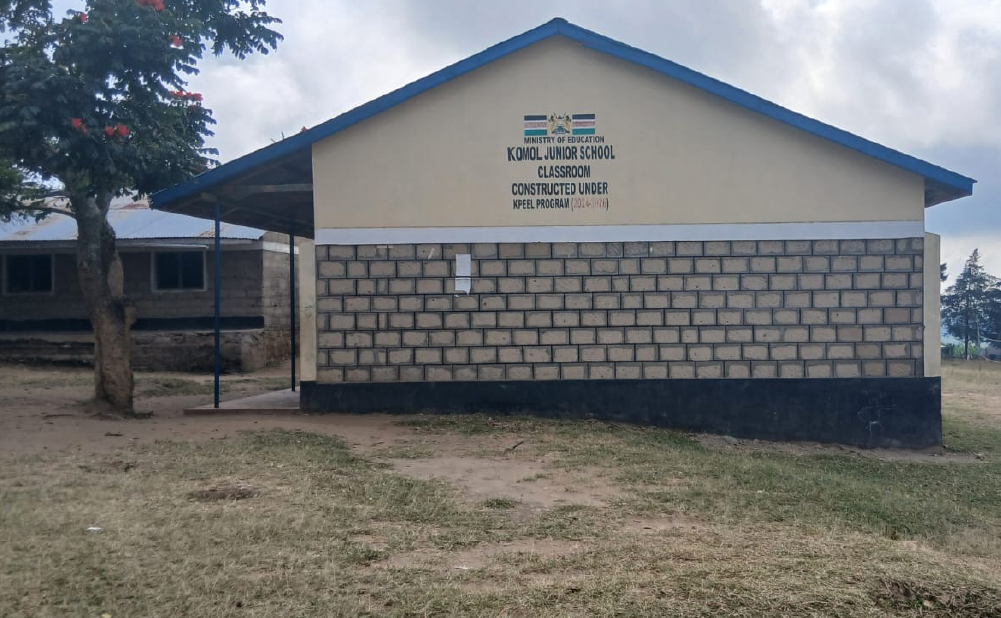
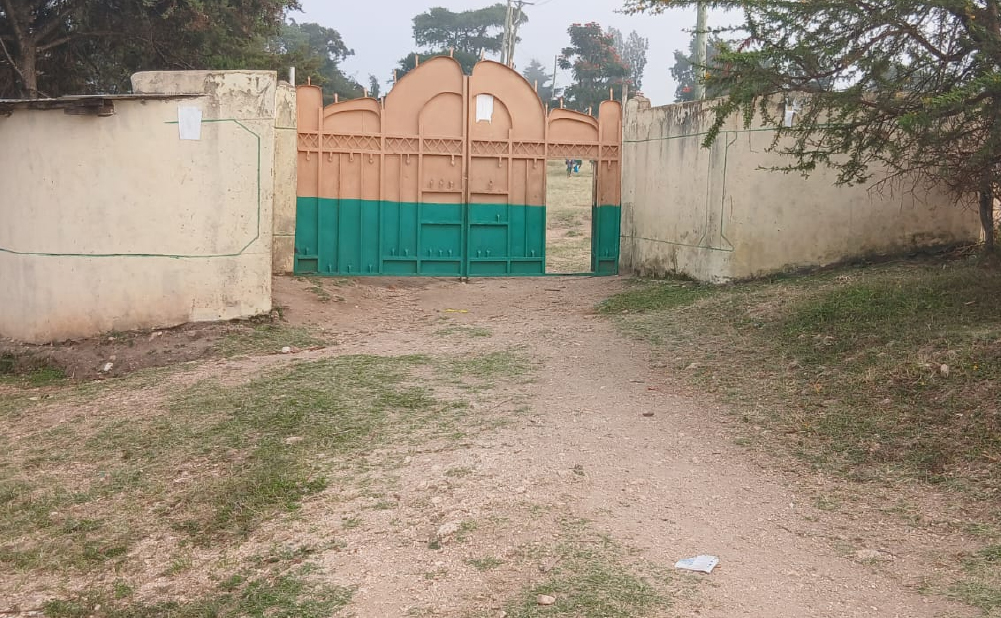
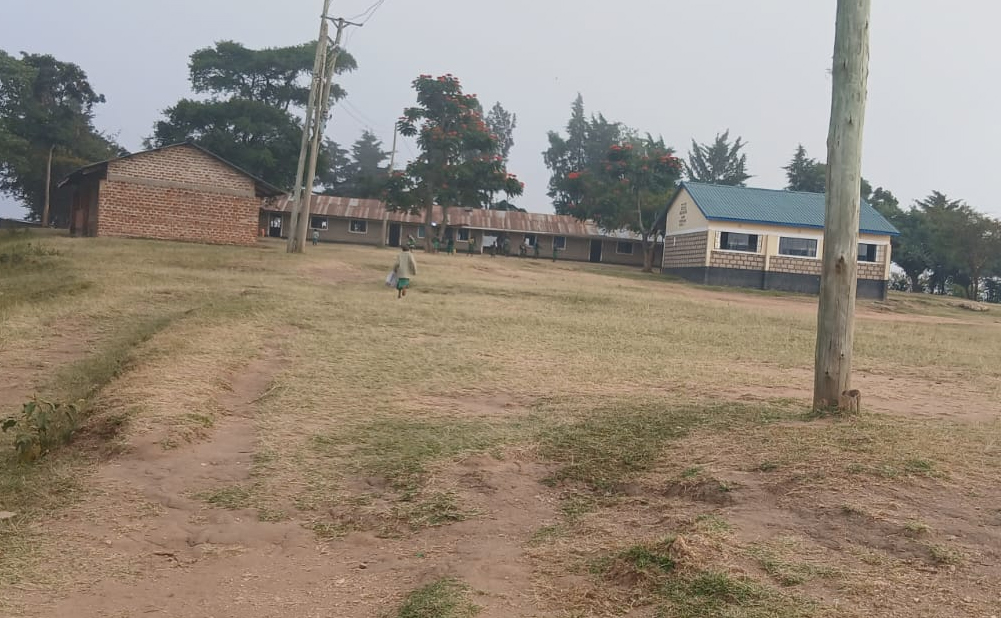
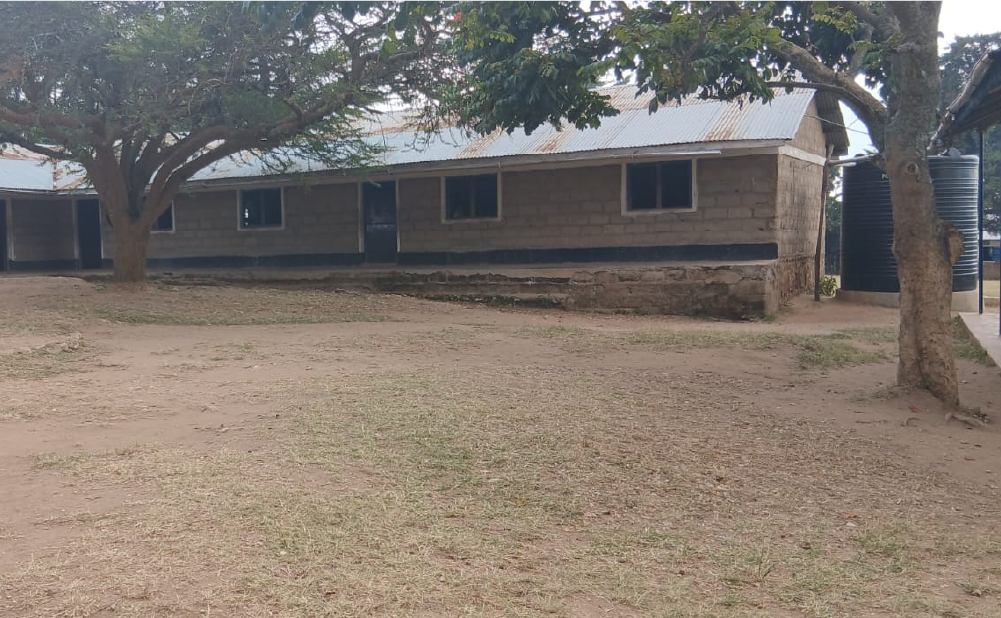
KOMOL Junior and Primary School is a community-centered public primary school located in the Arid and Semi-Arid Lands (ASAL) of West Pokot County, Kenya. Despite the challenges posed by a harsh climate, food insecurity, and low literacy levels among many parents, the school has built a vibrant and supportive learning community where families, local leaders, and educators work together to improve educational outcomes.
Many learners begin school at an older age due to socioeconomic barriers and limited access to early childhood education. In response, the school has embraced innovative, community-driven approaches that create opportunities for every child to learn and thrive.
Committed to building climate resilience and promoting sustainable development, KOMOL Junior and Primary School integrates environmental conservation, climate-smart agriculture, and food security initiatives into the learning experience. Through these efforts, the school not only enhances learners’ academic success but also equips them with practical skills to address local challenges and become responsible stewards of their communities.
By fostering strong partnerships between the school and the community, KOMOL Junior and Primary School is demonstrating how education can transform lives, strengthen resilience, and inspire sustainable development in ASAL regions.
The school is recognized for its strong community partnership, commitment to climate resilience, and innovative approaches to improving education in an ASAL environment.
The school integrates climate-smart agriculture, environmental conservation, and food security projects into learning to build resilience and improve learners' well-being.
Yes. Parents, local leaders, and community members actively support school programs, creating a collaborative environment that enhances learning and student development.
Learners participate in environmental conservation, leadership activities, community service projects, and practical learning experiences that develop life skills and responsible citizenship.
 Your request has been submitted successfully.

